ELGEE MEMORIAL LECTURE | Sat. 5th Dec. | The Rise and Fall of the Late Iron Age Royal Centre at Stanwick, North Yorkshire | Professor Colin Haselgrove, University of Leicester | 10:30am at the Dorman Museum, Linthorpe Road, Middlesbrough TS5 6LA | Free Entry
Click here for tickets (Opens new page)
The enormous earthwork complex at Stanwick, west of Darlington—enclosing nearly three square kilometres—is the largest continuous prehistoric fortification in Britain, comparable to some of the most important late Age settlements in continental Europe.
Stanwick was first excavated in 1951–52 by Sir Mortimer Wheeler who believed that the earthworks were constructed by an anti-Roman faction of the Brigant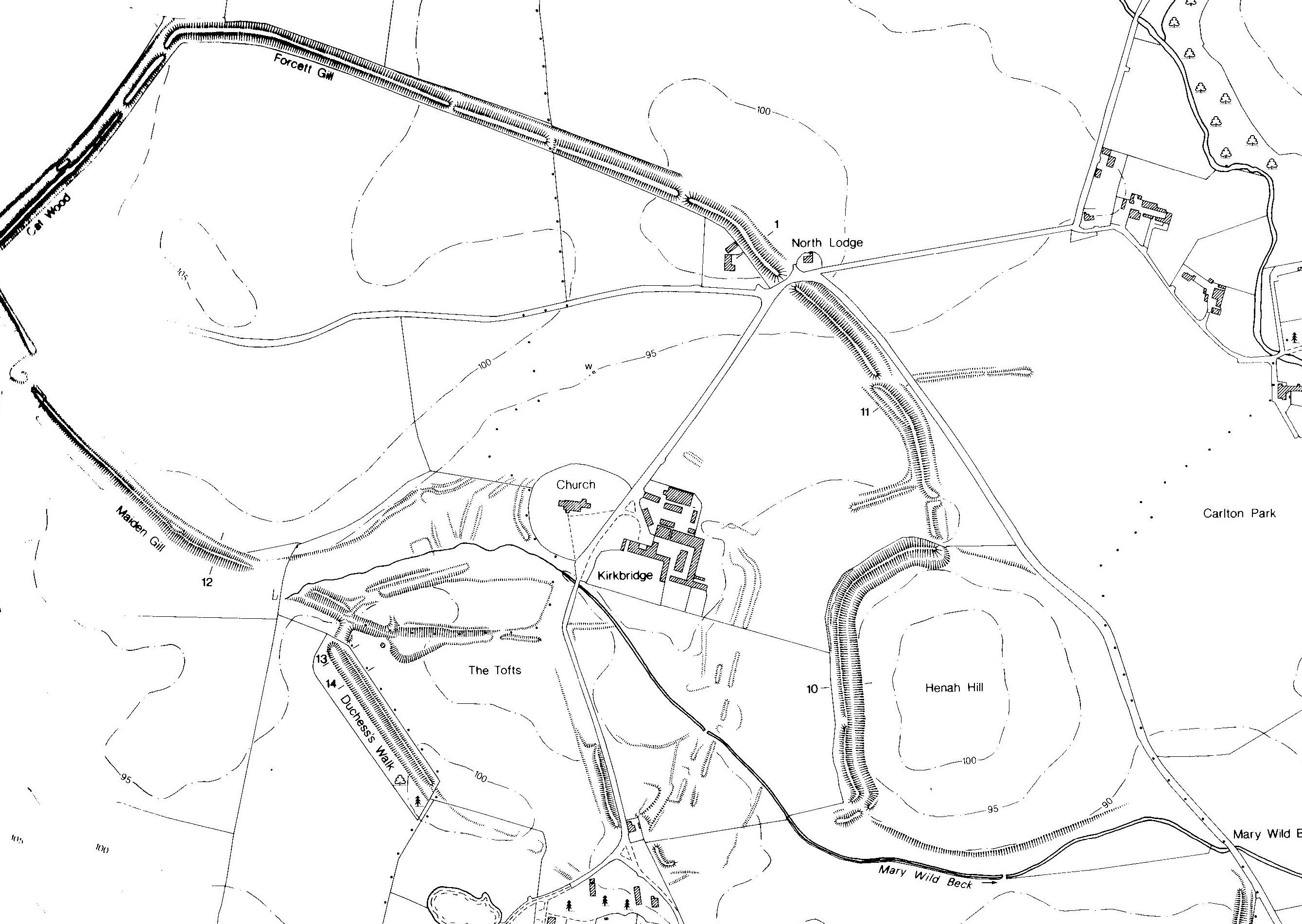 es between the invasion of southern England in AD 43 and the annexation of the north in the AD 70s. A very different interpretation of Stanwick has emerged as a result of excavations there by Durham University in the 1980s and further research in the environs over the past 25 years. Radiocarbon dating shows that Stanwick was occupied from the early 1st century BC. The early settlement differed little from others in the Tees valley, but soon after 50 BC, the site was reorganised and fortified, and successive monumental timber structures were built. Imports from other parts of Britain and the continent imply that well before the Roman invasion, Stanwick had attained a similar level of importance to known royal centres elsewhere in Britain and Ireland.
Soon after in AD 43, Cartimandua, the ruler of the Brigantes, entered into a treaty with the invaders. Many unusual Roman goods dating to this period recovered in the excavations must have been gifts showered on the queen, whose residence Stanwick surely was, and the massive perimeter earthwork was constructed in a display of her prestige. However, her rule over the Brigantes did not last. In AD 69, after a rebellion led by Venutius, her estranged consort, Cartimandua sought the protection of the Romans. They quickly set about the permanent conquest of the region—and Stanwick was abandoned. As well as illuminating the social and political dynamics of the period, the research has cast new light on the everyday lives of the Iron Age inhabitants of the Tees Valley and their ritual and mortuary practices, some of which were continued by the agricultural population of the area in the Roman period.
About the speaker
Colin Haselgrove has been Professor of Archaeology at the University of  Leicester since 2005. Between 1977 and 2004, he taught in the Archaeology department at Durham University where he was made a Professor in 1995. His research focuses on the British and European Iron Age, on the Iron Age to Roman transition in north-west Europe, and on early coinage and currencies. Colin is a Fellow of the British Academy and of the Societies of Antiquaries of London and Scotland. He was Head of the School of Archaeology and Ancient History at Leicester from 2006–12.
Dr F rank Elgee was born in 1880 in North Ormesby and was curator at the Dorman Museum from 1904 to 1944.The memorial lectures have run annually since 1968, hosted in turn by the archaeological, historical and natural history societies of Teesside. The 2015 lecture is hosted by the Teesside Archaeological Society.
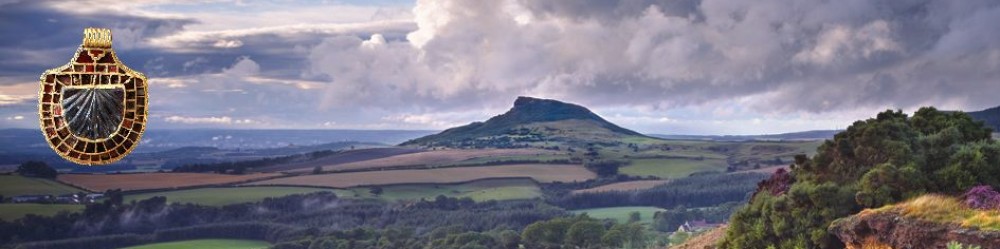
Header image copyright English Heritage



 Teesside Archaeological Society